Blog
Will Heating Controls Be Updated During a Boiler Installation?
Why boiler controls deserve proper attention
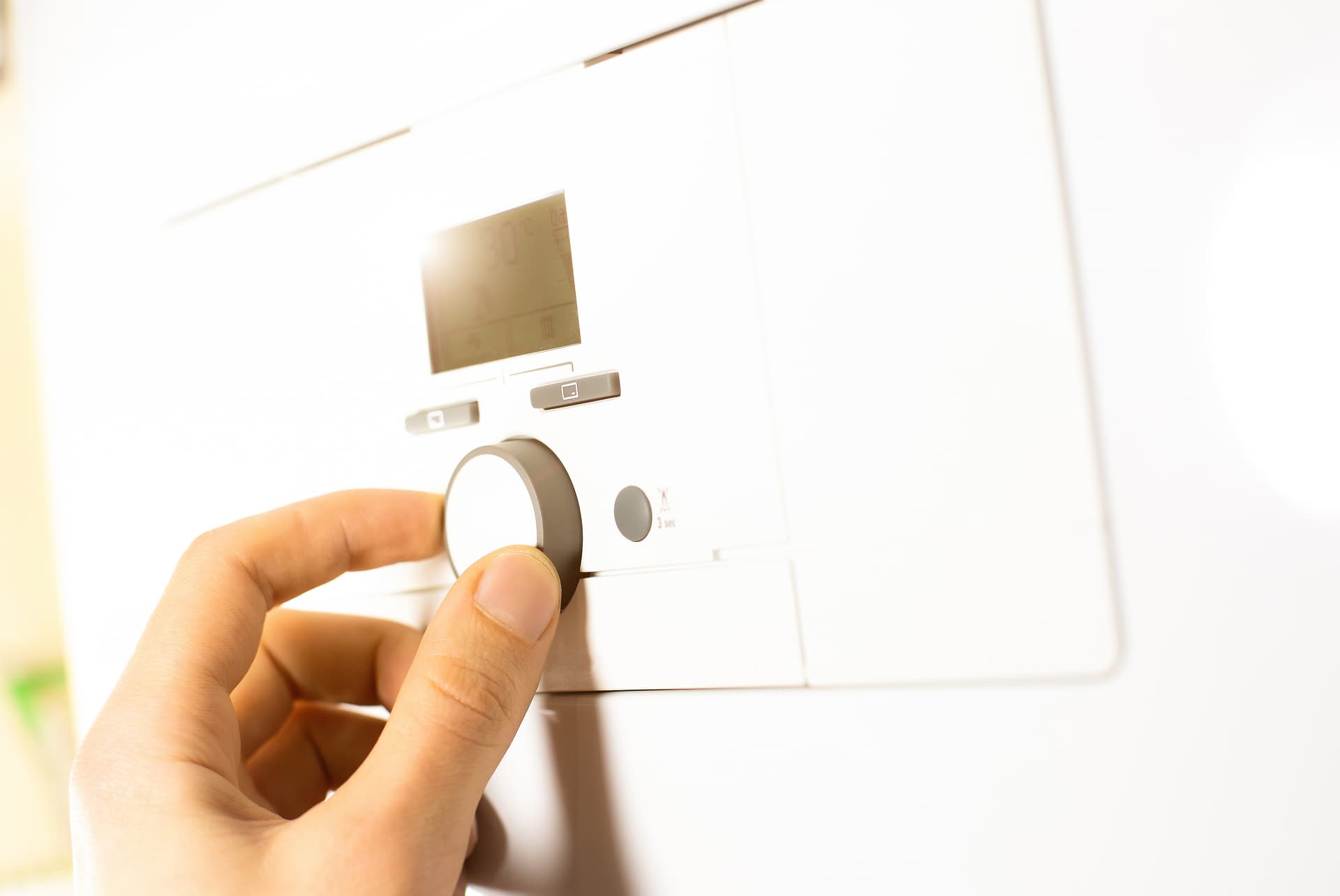
A boiler installation is not only about replacing the appliance on the wall. Your controls determine when the heating runs, which parts of the property receive heat and how easily you can adjust the system. A suitable boiler connected to outdated or incompatible controls may still work, but it can leave you with poor control, unnecessary heating and a system that does not suit the way your home is used.
When we assess a property in Bognor Regis, Chichester or elsewhere across West Sussex, we look at the boiler and the control system together. That is the reasoning behind our Boiler Installation service. The right decision depends on what is already installed, how it operates and what you want the replacement system to do.
Start with the controls you already have
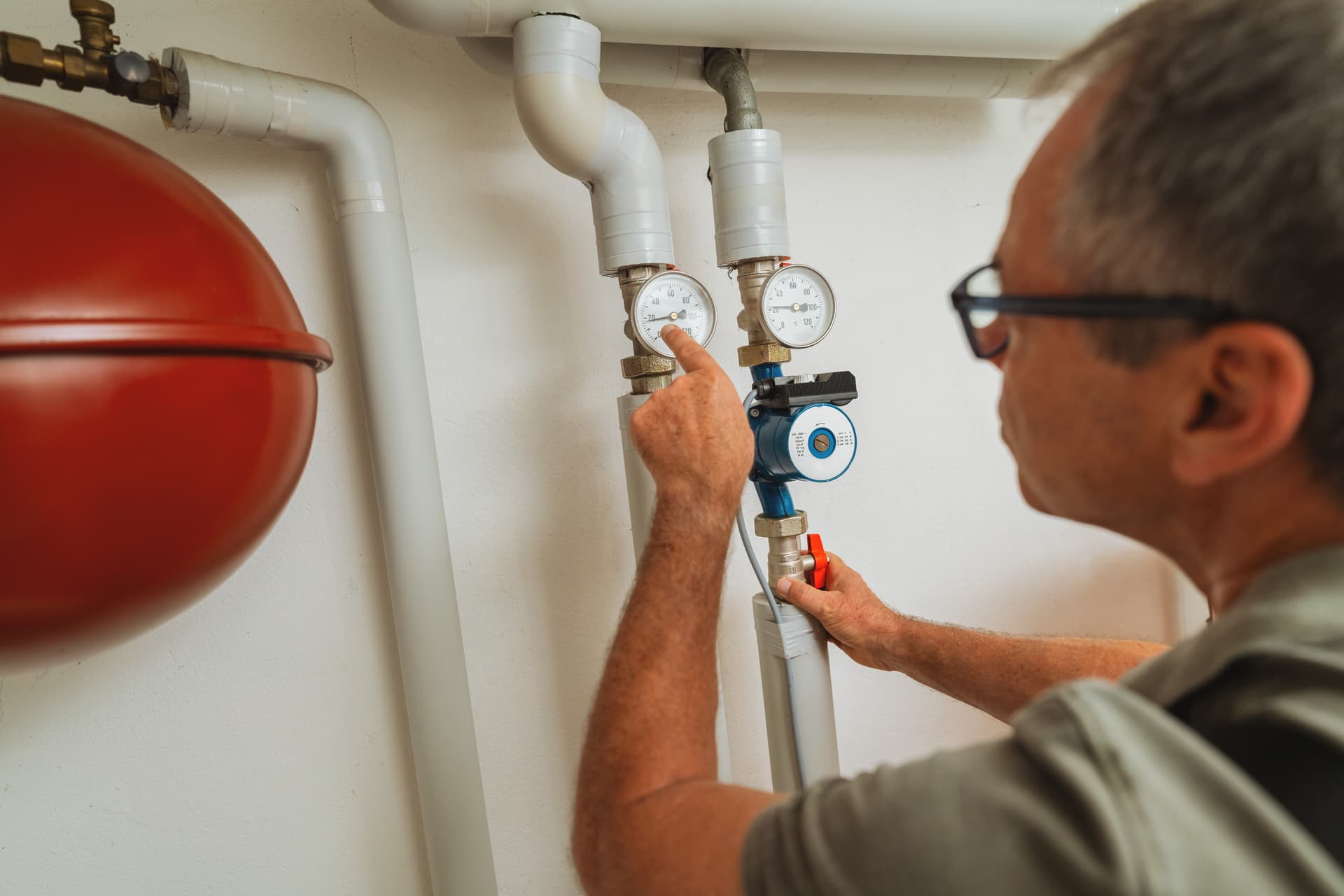
Before choosing new controls, it helps to understand the existing arrangement. A typical system may include a programmer or timer, a room thermostat, thermostatic radiator valves (which control the heat from individual radiators) and, in some homes, separate heating zones. These components do different jobs, so replacing one does not automatically improve the others.
Ask yourself three practical questions:
- Can you set different heating times easily?
- Does the thermostat measure temperature in a sensible room, away from direct heat or draughts?
- Can you control hot water separately from space heating, where your system requires it?
If the controls are difficult to programme, the thermostat is poorly positioned or the heating comes on in rooms that are rarely used, installation is a sensible point to review the arrangement. Keeping familiar controls can be useful when they are reliable and well suited to the property. Keeping them simply because they are already there is not always the best decision.
When existing controls may be suitable
A like-for-like replacement does not necessarily require a complete control upgrade. Existing controls may be suitable when they are compatible with the proposed boiler, operate reliably and give you enough control over heating and hot water.
This can make sense in a property with a straightforward layout and a control arrangement that everyone in the household already understands. It also avoids changing a working system without a clear benefit. However, the controls still need to be checked and set up as part of the installation. The boiler must respond correctly to the thermostat and programmer, and the settings should be tested rather than assumed to work because the wiring has been connected.
The age and type of the existing boiler matter here. A replacement appliance may use different control connections or support features that an older control system cannot access. Compatibility is a technical question, not something that can be decided from the appearance of the thermostat alone.
When new controls are worth considering
New controls are more likely to be appropriate where the existing system gives you limited control or does not reflect how the home is occupied. For example, a larger house may benefit from separate heating zones, while a smaller property may need nothing more complicated than a clear programmable thermostat.
A smart thermostat can be useful if you want to manage heating remotely or adjust settings more precisely. It is not automatically the right choice for every property. It needs a suitable installation location, a reliable connection where required and controls that are compatible with the boiler and wider heating system. A complex interface is of little value if nobody finds it easy to use.
Room-by-room control can also be relevant where different parts of a property have different heating needs. This should be considered alongside the existing radiator valves, pipework and system design. Adding a new control without considering those elements may produce a system that is more complicated without being more effective.
The property can change the answer
Homes around Bognor Regis and Chichester include older terraces, extended houses, flats and larger detached properties. Their layouts and heating demands can be very different. An extension may have altered how heat moves through the property. A converted space may need separate consideration. A hot water cylinder or tank system also has different control requirements from a combi boiler installation.
That is why we discuss how you use the property before recommending controls. The number of occupants, rooms used regularly and preference for timed or on-demand heating all affect the practical choice. We also consider whether the existing wiring and control locations can support the proposed arrangement without unnecessary disruption.
What to agree before the installation starts
Ask which controls are being retained, which are being replaced and why. Confirm whether the thermostat location is suitable, whether hot water controls are included where relevant and whether you will be shown how to use the finished system.
A proper handover should leave you understanding the basic settings rather than relying on trial and error. If the controls are upgraded, the installer should check that the boiler responds correctly and that the programmed schedule reflects the way you actually use the home.
At LE Plumbing & Heating Ltd, we install and configure compatible thermostats and heating controls as part of our wider heating work across Bognor Regis, Chichester, Pagham, Worthing, Arundel, Littlehampton, Felpham, Selsey and Midhurst. Contact us to arrange a survey and discuss the control options that make sense for your property.
Other Articles