
Blog
My Boiler Keeps Losing Pressure: What Is Really Causing It?
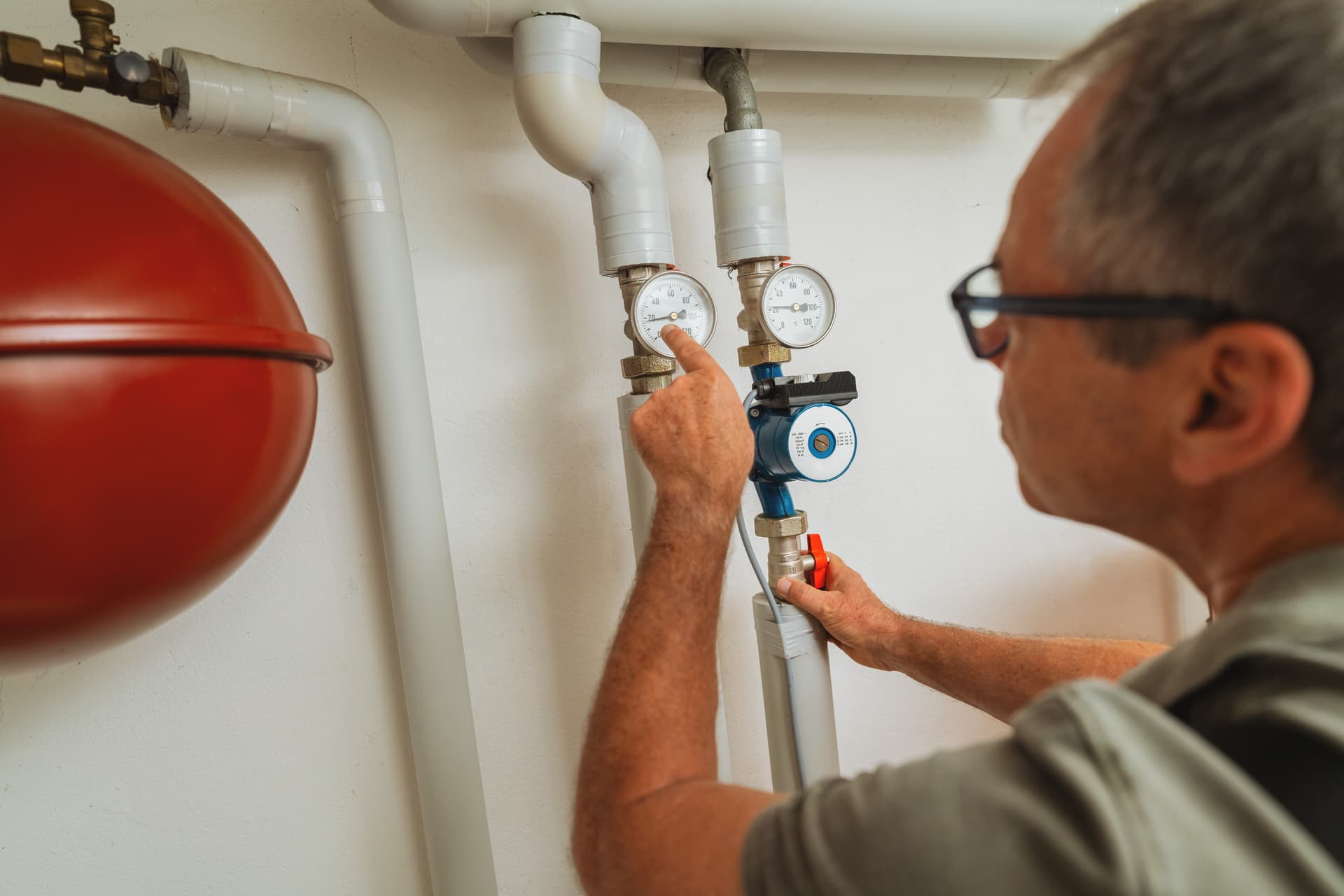
A pressure drop is a clue, not a diagnosis
A sealed central heating system should retain roughly the same volume of water as it circulates around the radiators and boiler. When the pressure repeatedly falls, water is leaving the system somewhere, or the system is responding incorrectly to changes in temperature.
That distinction matters. Adding water to restore the boiler pressure may restore heating temporarily, but it does not explain why pressure was lost. If the underlying fault remains, the pressure will drop again and the boiler may eventually shut itself down, leaving you without heating or hot water.
Our boiler repairs work starts with finding the mechanism behind the pressure loss rather than treating the gauge reading in isolation.
The main ways pressure is lost
An external heating leak
The most straightforward cause is water escaping from the network of pipes and radiators. This can happen at a radiator valve, a visible pipe joint, a towel rail connection, a drain point or part of the pipework beneath the floor.
Not every leak produces an obvious puddle. A small weep may evaporate on a warm pipe, run behind a fitting or show itself as staining, corrosion or a damp patch. If the leak is hidden under flooring or inside a wall, the boiler pressure gauge may be the first clear sign that anything is wrong.
Repeatedly adding water without locating the leak also introduces fresh oxygen into the system. That can contribute to corrosion and dirty heating water, potentially affecting pumps, valves and other components over time.
A problem with the expansion vessel, which absorbs water expansion
Water expands as it heats. A sealed heating system uses an expansion vessel to absorb that increase in volume and keep pressure within a controlled range.
If the vessel has lost its air charge or the rubber membrane inside it has failed, pressure can rise too far when the boiler is operating. The pressure relief valve, a safety valve that releases excess pressure, may then open and let water out of the system. Once the heating cools, the lost water means the pressure falls noticeably.
This often creates a confusing pattern: the gauge appears acceptable when the system is cold, rises substantially while the heating is running, then drops too low afterwards. Looking only at the cold pressure can miss the reason for the loss. We need to compare how the system behaves at different operating temperatures and test the relevant components safely.
A safety valve that is letting water through
The pressure relief valve is designed to open when pressure becomes excessive. If debris, scale or component wear prevents it from closing properly, it may continue to pass small amounts of water after the original pressure event has ended.
The pipe that releases water may end outside, so the fault can be easy to overlook. A heating engineer can inspect the discharge route and establish whether water is being released there. Replacing a valve without checking why it opened in the first place can leave the system vulnerable to the same problem again.
An internal boiler leak
Water can also escape inside the boiler, where it may not be visible around the casing. A component, seal or heat-transfer part inside the boiler can develop a fault that causes gradual pressure loss. This requires proper diagnosis because the safe repair depends on the component involved and the condition of the boiler as a whole.
A boiler that loses pressure while showing no obvious leak at radiators or exposed pipework should not simply be topped up repeatedly. The absence of visible water does not prove that the system is leak-free.
What the pattern can tell us
The timing and frequency of the pressure drop provide useful evidence. A fall that happens soon after adding water to restore the pressure points towards an active leak or a valve that is still passing water. A system that rises sharply during heating and falls when cool points more strongly towards expansion control or pressure discharge.
A gradual loss over a longer period may indicate a small leak, while a sudden drop can suggest a more significant escape or a component failure. These patterns are not a substitute for testing, but they help us decide where to investigate first.
Before contacting us, note whether the pressure changes when the heating is running, whether you have seen dampness around radiators or valves, and whether water is appearing from the external discharge pipe. Do not remove the boiler casing or attempt to adjust gas or safety components. Those checks require a qualified heating engineer.
Why the correct repair matters
The right repair restores more than the gauge reading. We need to establish whether water is escaping, whether pressure is being managed incorrectly, and whether another component has been affected. That may involve visual checks, pressure testing and inspection of the boiler and heating circuit.
Once the cause is identified, we explain the repair required before non-emergency work proceeds. After the repair, the system should be brought back to the correct operating condition and checked for stable pressure and safe operation. If the fault has caused dirty system water or stressed another component, that will also form part of the advice.
If your boiler in Chichester, Bognor Regis, Pagham, Selsey or elsewhere across West Sussex keeps losing pressure, contact LE Plumbing & Heating Ltd for a proper diagnosis. We repair boilers and heating systems with the aim of resolving the cause, not just resetting the symptom.
Other Articles


