Blog
Repair or Replace a Hot Water Cylinder? How to Decide
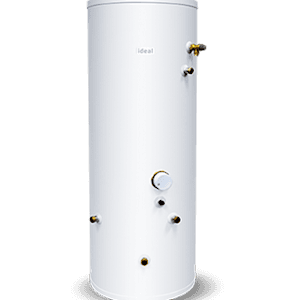
A hot water problem does not automatically mean the cylinder itself has failed. The cylinder, its immersion heater, controls, valves and connected pipework all affect how hot water is stored and delivered. Working out which part is at fault is the first step towards choosing between a repair and a replacement.
Start by identifying what has changed
Make a note of the actual symptoms before deciding what they mean. Is there water coming from the cylinder, or has the hot water simply stopped heating? Does the problem affect every hot tap, or only one? Has the fault happened once, or returned after a repair?
These details help distinguish a problem with the vessel from a fault elsewhere in the system. For example, An immersion heater, the electric element that heats water in the cylinder, or its electrical supply can fail while the cylinder remains sound. A control issue can also stop water heating as expected. In those cases, replacing the cylinder may not address the cause.
By contrast, water leaking from the cylinder body is a serious sign that the vessel may have failed. A leak from a nearby connection or valve can look similar, so the source needs to be identified rather than assumed. If water is escaping, keep clear of electrical equipment and seek professional advice. Do not remove electrical covers or attempt to dismantle cylinder components.
When a repair is a reasonable option
A repair is more likely to make sense when the fault is isolated to a replaceable component and the cylinder itself is in sound condition. An engineer can check whether the problem lies with the immersion heater, controls, a connection or another part of the system, then explain what the diagnosis means.
Consider whether the repair addresses the cause or only the latest symptom. If a component has failed once and the cylinder and surrounding parts are otherwise in good condition, replacing that component may be appropriate. If similar faults keep returning, ask what is driving them. Repeated failures may point to wear, scale or a wider system issue, rather than a run of unrelated bad luck.
It also matters whether the proposed repair leaves the system suitable for the household. A cylinder that cannot provide enough usable hot water may still heat correctly, but that does not mean it is meeting your needs. Think about whether demand has changed, such as more people using hot water at the same time. A repair to the heating element will not solve the problem if the cylinder does not hold enough hot water for your household.
Signs that replacement deserves serious consideration
A confirmed leak from the cylinder body generally points towards replacement because repairing a failed cylinder is not the same as replacing a faulty external fitting. Corrosion, repeated problems and an inability to meet normal household demand also warrant a proper assessment of the cylinder's condition and suitability.
The key is to separate evidence about the cylinder from evidence about the system around it. A failed heater does not, by itself, prove that the cylinder needs replacing. Equally, a cylinder that is visibly deteriorating or leaking should not be treated as a minor control fault. An inspection can establish where the fault sits and whether a repair is likely to resolve it reliably.
Replacement also needs to suit the existing system. The cylinder type, available space, pipework and how hot water is supplied all affect what can be fitted. An unvented cylinder, for example, has different requirements from a vented arrangement. The replacement decision should account for those requirements, not just the dimensions of the old cylinder.
What to gather before asking for advice
You can help the diagnosis without opening the cylinder or touching electrical or safety components. Note when the problem began, what happens at the hot taps, whether you can see water escaping, and whether any recent repair changed the symptoms. If you know whether your system has a separate cold-water storage tank (a vented system) or is supplied directly from the mains (an unvented system), that is useful too, but do not try to identify it by dismantling anything.
If the cylinder is leaking, say where the water appears to be coming from and whether the leak is continuing. If there is no visible leak, describe whether the water is cold, runs out sooner than expected, or varies in temperature. Clear observations help an engineer focus on the likely cause rather than jumping straight to replacement.
For homeowners in Bognor Regis, Chichester and nearby parts of West Sussex, we can assess the cylinder and its associated components before advising on the next step. Our BPEC Unvented G3 qualification is relevant when an unvented hot water system is involved. Read our Hot Water Cylinder / Tank Replacement page for the service overview, or contact LE Plumbing & Heating Ltd to discuss whether your symptoms point to a repair or a replacement.
Other Articles


